






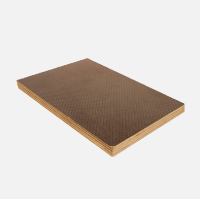




Crating refers to the process of packing and securing items, typically for shipment or storage, in a crate. A crate is a large, sturdy container, often made from wood, that provides structural support to protect goods from damage during transportation or handling.
Crating is an essential part of logistics and shipping, particularly for industries dealing with high-value, fragile, or oversized items. Crates can be built to meet any item’s needs. During Crate design many factors should be considered. This includes dimensions, weight, value, fragility, and final destination.
Custom packaging, blocking, and bracing are essential to proper crating. These crucial elements ensure your items arrive safe and sound.
Different types of crating:
- Large/heavy equipment crating and shipping
- Sensitive & fragile components crating
- On-site crating
- One way crates – usually nailed with no additional hardware
- Multiple trip crates
Crating Process
- Assessment of the Item: The first step is evaluating the item to be shipped, considering its weight, dimensions, fragility, and any specific handling requirements (e.g., climate control, vibration protection).
- Custom-Building the Crate: In many cases, crates are custom-built to fit the dimensions of the item. This ensures minimal movement inside the crate and optimizes the level of protection.
-
Securing the Item Inside: Various methods are used to secure the item, including:
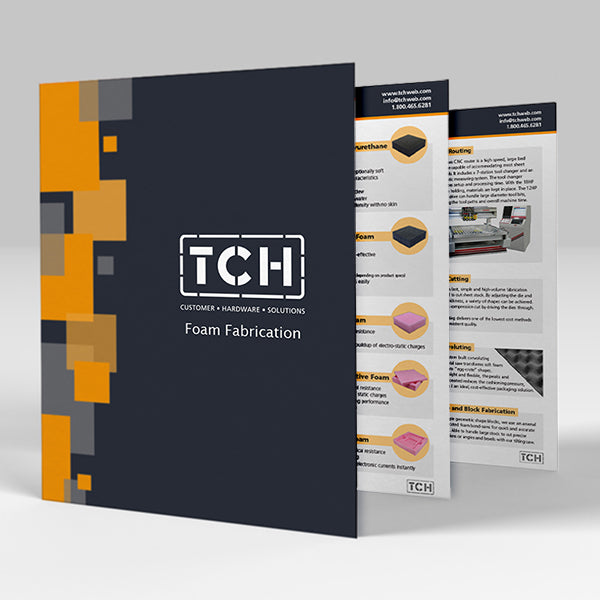
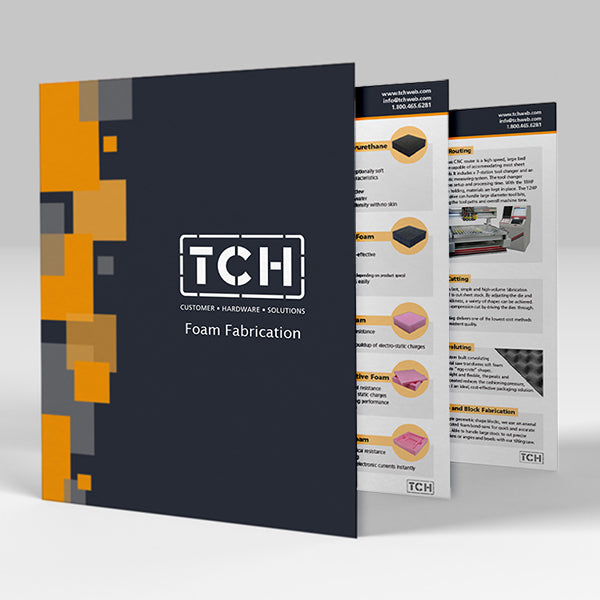
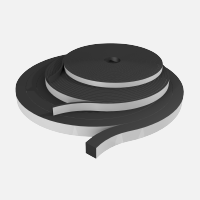
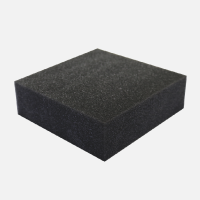
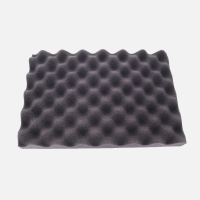
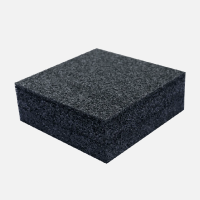
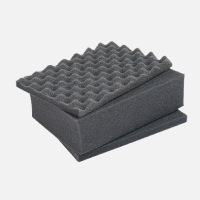
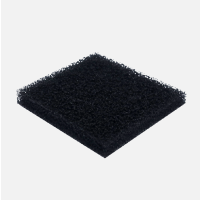
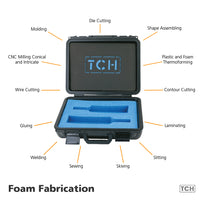
- Foam Padding: Custom foam inserts can be created to cushion the item and absorb shocks or vibrations.
- Strapping or Bracing: Heavy items are often strapped or braced inside the crate to prevent movement during transit.
- Moisture Barriers: Items susceptible to water damage may be wrapped in plastic or sealed in vapor barriers to protect against humidity or moisture.
- Palletizing: The crate may be placed on a pallet for easier forklift handling during transport.
Advantages of Crating
- Protection Against Damage: Crating provides robust protection against various forms of damage, such as impacts, drops, or exposure to the elements.
- Security: Crates, especially when reinforced with additional materials, deter theft or tampering during transit.
- Stackability: Crates are designed to be stackable, which maximizes space during storage or transportation, reducing shipping costs.
- Versatility: Crating can be customized for almost any kind of item, from industrial machinery to delicate artwork, making it a versatile solution.
Specialized Crating Techniques
- Heat Treated or ISPM 15 Crates: For international shipping, wood used for crates may need to be heat-treated or fumigated to meet International Standards for Phytosanitary Measures No. 15 (ISPM 15). This prevents the spread of pests or diseases across borders.
- Foam-In-Place Crating: Foam is sprayed around the item inside the crate, expanding to form a perfect fit around the object. This is often used for items with irregular shapes.
- Shock and Vibration Control: For highly sensitive items (such as electronics or medical devices), special cushioning materials or suspension systems can be incorporated to reduce the impact of vibrations or sudden jolts during transit.
Applications of Crating
- Industrial Equipment and Machinery: Heavy-duty crates are used for large industrial machines or parts to ensure they arrive in working condition.
- Artwork and Antiques: Museums, galleries, and collectors use custom crating to ship paintings, sculptures, and antiques safely. These crates may include climate control features.
- Automotive Industry: Parts such as engines or transmissions are often crated to protect them during transportation.
- Electronics: Servers, data centers, and other sensitive electronic equipment require specially designed crates with anti-static and shock-absorbing materials.
Crating is a key part of the supply chain and ensures that items, regardless of size or fragility, arrive at their destination intact and undamaged.